
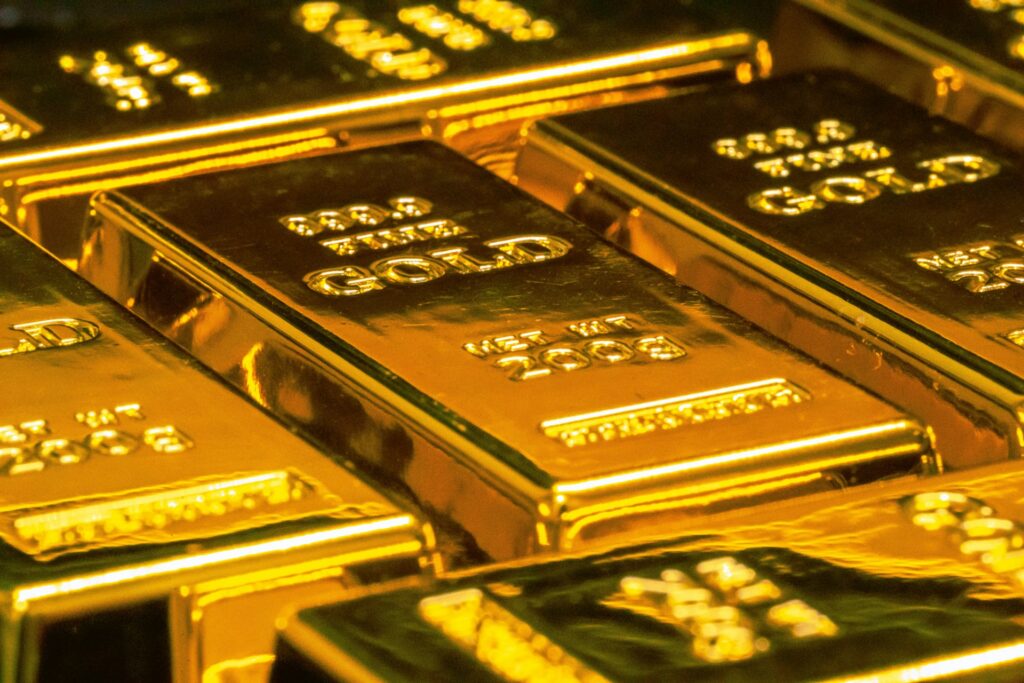
The “Gold Fever” currently dominating headlines is not a speculative bubble; it is a fundamental re-pricing of global safety. As international spot gold tests the $5,600 per ounce barrier—a staggering 100% increase from early 2025—business leaders in India and Pakistan are recalibrating for a new economic reality.
1. Geopolitical Warfare: From Caracas to the Arctic
The primary catalyst for the January surge is a series of unprecedented diplomatic and military ruptures that have made traditional paper assets appear increasingly fragile.
- The Greenland Annexation Crisis: President Trump’s renewed push to seize Greenland for its rare earth minerals has created a historic rift between the US and the European Union. Threats of massive tariffs on NATO allies have destabilized the Euro, leaving gold as the only “neutral” currency for global trade.
- Operation Absolute Resolve: The US military’s kidnapping of Venezuelan President Nicolás Maduro from his home has sent shockwaves through energy markets. This move, combined with renewed naval deployments in the Middle East, has triggered a massive flight toward “hard assets” as the risk of a multi-front conflict rises.
2. The US Dollar’s “Crisis of Confidence”
For South Asian businessmen, the strength of the Gold Price is the inverse of the weakening Greenback.
- 4-Year Lows: The US Dollar has plunged to its lowest point since 2022. Statements from the US administration favoring a weaker dollar to boost exports have backfired, leading to a global sell-off of dollar-backed securities.
- Fed Independence Under Fire: A federal investigation into whether Fed Chair Jerome Powell misled Congress—coupled with intense White House pressure for 150 basis points of rate cuts—has destroyed the market’s belief in a stable, independent US monetary policy.
3. The Central Bank “Buying Spree”
While retail consumers are feeling the pinch, institutional demand is hitting record levels:
- De-Dollarization: For the first time since 1996, gold now accounts for a larger share of global central bank reserves than US Treasuries.
- China & India’s Strategy: Led by the Reserve Bank of India (RBI) and the People’s Bank of China, emerging markets are dumping US debt to diversify into bullion, providing a permanent “floor” for the current price surge.
4. Local Impact: India vs. Pakistan (Jan 29, 2026)
| Metric | India (Per 10g) | Pakistan (Per Tola) |
| Current 24K Rate | ₹1,79,550 | Rs. 540,000 |
| Daily Surge | +₹12,650 | +Rs. 10,900 |
| Market Sentiment | High import bills; surge in gold loan demand. | Primary hedge against currency devaluation. |
Business Insight: “We are moving from a ‘paper-based’ economy to a ‘resource-based’ one,” says a senior commodity strategist. “In 2026, investors no longer trust central bank promises; they trust the metal they can physically hold.”
The 2026 Outlook: $6,000 on the Horizon?
Major financial institutions, including Deutsche Bank and Goldman Sachs, have already revised their year-end targets. With a potential US government shutdown looming on January 31 and persistent trade threats, analysts suggest that the current peak is merely a waypoint. For businessmen in the subcontinent, gold is no longer a luxury—it is the ultimate strategic anchor in a world in upheaval.